Research & Innovation Club
Where curiosity meets evidence — a student-led space to explore science, discuss research, and prototype ideas that serve real communities.

Overview
Mission & goals
The Research & Innovation Club invites students and lifelong learners to explore current findings across neuroscience, learning science, healthy aging, neurodiversity, and motor learning. Through journal-style discussions, student-led presentations, and creative innovation projects, participants build critical thinking, communication, and design skills — and help shape NeuroMotion's future programs.
Who it is for
- High school and college students
- Future researchers, educators, and clinicians
- Lifelong learners curious about brain & behavior
- Volunteers interested in earning SSL hours
What participants do
Inside the experience
- Read and discuss a recent paper together, plain-language first
- Prepare and deliver short peer presentations
- Turn one finding into a community workshop idea
- Design posters, infographics, or short explainer videos
- Run innovation sprints to prototype new program concepts
- Meet visiting researchers, educators, and clinicians
Why it matters
The bigger picture
Most research never reaches the people it could help. This club closes that gap in both directions: students learn to read evidence critically and explain it clearly, and the community gets programs shaped by current science. Teaching a concept to peers is also one of the fastest ways to find the gaps in your own understanding — which is why presenting, not just reading, is central here.
Benefits
What participants gain
Critical thinking and scientific literacy
Public speaking and presentation skills
Mentorship from educators and clinicians
Hands-on innovation and prototyping
Service-learning hours for high schoolers
A portfolio of community-facing projects
Example activities
A glimpse inside a session
- 1
Journal-club style discussion of a recent paper
- 2
Student-led mini-presentations on a topic of interest
- 3
Translating a research finding into a community workshop
- 4
Designing posters, infographics, or short videos
- 5
Innovation sprints to prototype new program ideas
- 6
Guest conversations with researchers and practitioners
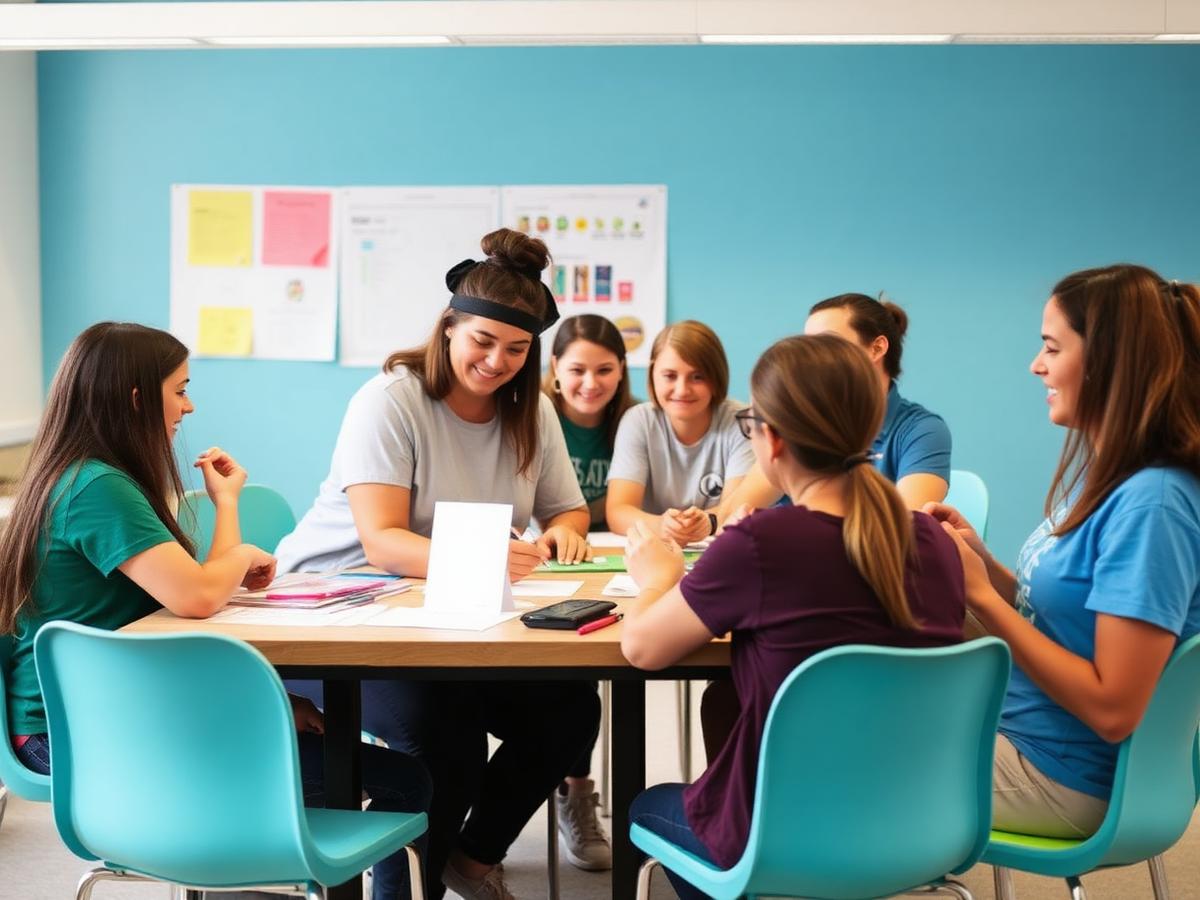
Photos
Moments from the community

Frequently asked
Questions, answered
Do I need a science background?
No. We welcome curious learners from any background. Mentors help unpack the science together.
Can high school students earn SSL hours?
Yes. Maryland SSL hours are available for eligible participation; we provide documentation aligned with state guidelines.
What kinds of topics do you explore?
Brain health, motor learning, healthy aging, neurodiversity, music & rhythm, attention, and the science of learning — among others.
Is the club in-person or virtual?
We run a mix of in-person sessions around Rockville, MD and virtual meetings to keep participation accessible.
Upcoming opportunities
When you can join
New cohorts open seasonally. Share your interest and we'll send details about the next round of journal-club discussions and innovation projects.
Interested in joining?
Tell us a bit about yourself with the form, or reach the team directly.
Contact us